
Commuter E-Bike Buying Guide: 5 Key Indicators Every Office Worker Must Know
Views :
Update time : 2025-12-15
Commuter E-Bike Buying Guide: 5 Key Indicators Every Office Worker Must Know
I. Range: The Lifeline of Commuting

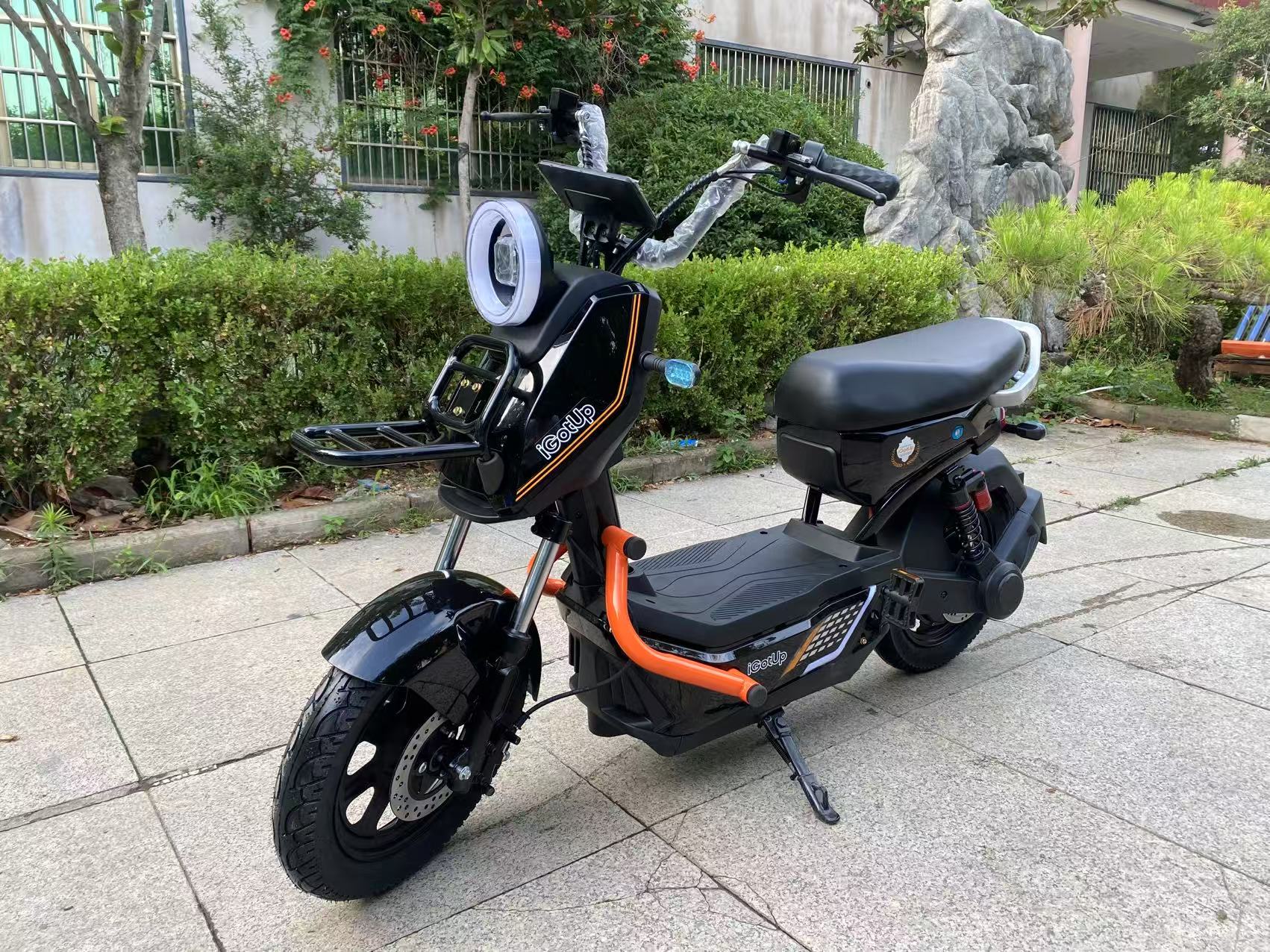
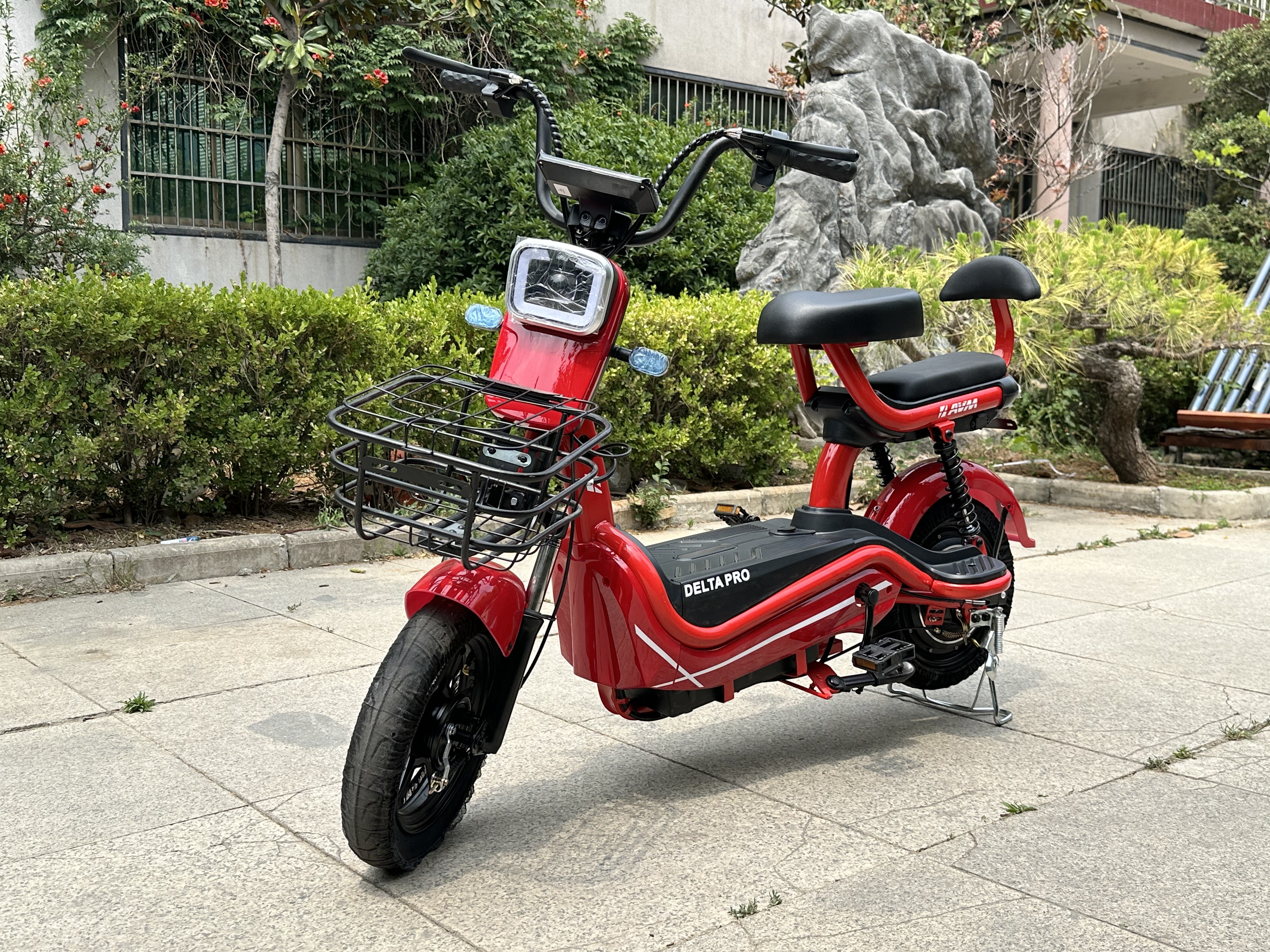
II. Battery System: Energy Core and Service Life

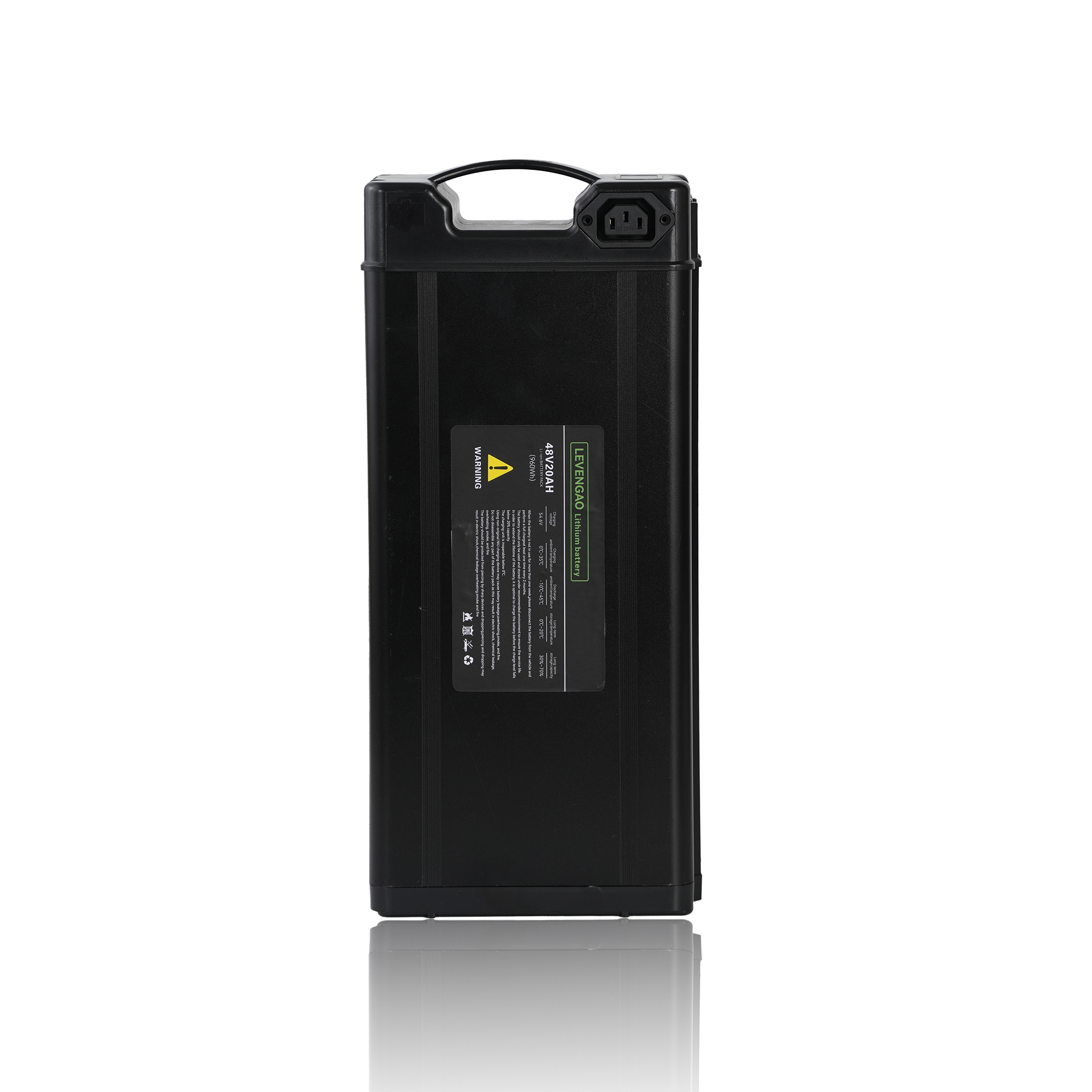

III. Motor Performance: Balance Between Power and Energy Efficiency
IV. Safety and Compliance: Top Priority for Travel
Important Note: Avoid "speed-unlocked/modified" e-bikes. They are not only illegal but also affect the warranty and pose a fire risk.
V. Comfort and Practicality: Enhance Commuting Experience
Related News
Read More >>
 CKD vs CBU: The Smart Way to I
08 .31.2026
IntroductionBrazil is one of the most promising markets in the world for electri
Why High Power Electric Motorc
08 .28.2026
IntroductionA high‑power electric motorcycle can cost three times as much as a c
Mid‑Drive vs Hub Motor for Rac
08 .28.2026
IntroductionThere are two ways to put electric power into a motorcycle wheel, an
Winter Battery Care for Electr
08 .28.2026
IntroductionWinter is when lithium batteries reveal their true limits.Your 72V b